If you own rental property in the San Gabriel Valley, you already know that managing a multifamily building comes with an endless checklist of tenant relations, routine maintenance, rent collection, and local regulatory updates.
But there’s one major item heading toward the top of that list: seismic retrofit mandates.

Across Los Angeles County and local SGV municipalities, local governments have tightened enforcement on “soft-story” buildings. Because many compliance schedules follow a multi-year clock triggered when official notices were issued, 2027 represents a critical milestone year for construction deadlines, engineering approvals, and permit submissions.
Here is a straightforward guide on what soft-story rules mean for your SGV property, key deadlines to keep on your radar, and how to get compliant without taking on extra stress.
What Exactly Is a “Soft-Story” Building?
You don’t need a degree in structural engineering to spot a soft-story structure.
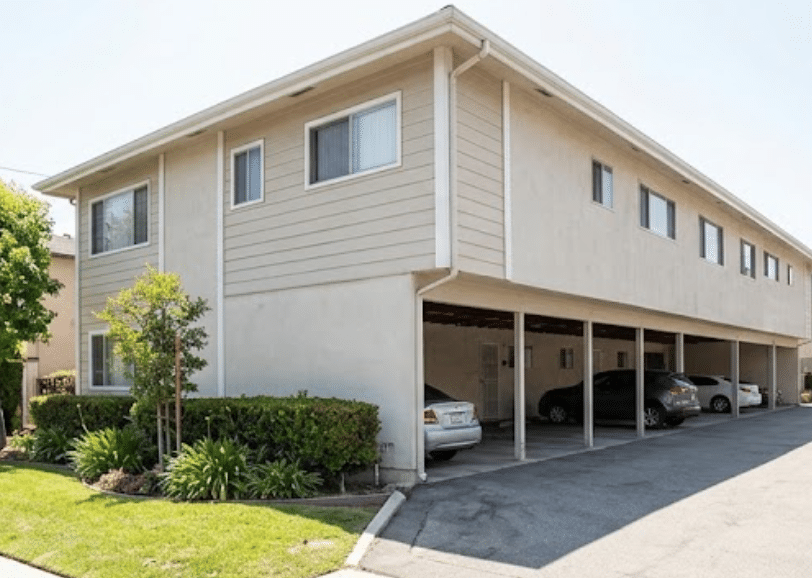
In plain English, a soft-story building is a multi-level structure where the ground floor is noticeably weaker or more open than the floors above it. During a major earthquake, the heavy upper levels sway, placing immense stress on the ground level. If that ground floor lacks rigid support, it can buckle or collapse.
The most common examples of soft-story buildings across the San Gabriel Valley include:
- Tuck-under parking: Apartment buildings where the ground level features open parking spaces underneath the second-floor units.
- Ground-floor retail: Commercial or mixed-use buildings with large glass display windows on the street level and apartments above.
Which SGV Properties Are Impacted?
While exact rules vary slightly by city, soft-story ordinances generally target properties that meet three specific criteria:
- Wood-frame construction built under codes enacted before modern seismic standards (typically applied for prior to late 1976 or 1978, depending on the municipality).
- Multifamily residential properties (usually 3+ or 5+ units) or mixed-use buildings.
- Two or more stories with open ground-floor space.
Local City Spotlights
- Pasadena: Enforces mandatory retrofits under Ordinance No. 7345. The city assigned properties into priority groups with strict enforcement timelines.
Medro Engineering - Burbank, Glendale, and Surrounding SGV Areas: Cities across LA County have set active compliance phases. For example, Burbank property owners who received notices must submit engineered plans.
- Unincorporated LA County: Covers pocket areas throughout the San Gabriel Valley, adhering to countywide seismic mandates.
Why 2027 Is a Critical Year for Landlords
Retrofit mandates aren’t an overnight requirement. Cities use phased timelines that span several years from the date an “Order to Comply” is issued to the property owner.
Here is how a standard city timeline breaks down:
- Year 1: Submit an initial screening form (or request an exemption if prior work was completed).
- Years 3 to 4: Hire an engineer, draft structural plans, and obtain city building permits.
- Year 7 (Hitting in 2027 for many 2020 notices): Complete all physical construction and obtain final inspection approval from the city.
For SGV landlords who received compliance notices around 2020, 2027 is the final deadline to finish construction. For others who received notices more recently, 2027 marks the mandatory deadline to have engineered plans drafted and building permits pulled.
The Danger of Waiting
Waiting until the last minute creates unnecessary headaches:
- Contractor Shortages: Demand spikes as deadlines near, driving up labor and material costs.
- Permit Delays: City plan-check departments get backed up, extending approval times.
- Fines & Insurance Risks: Missing city deadlines can lead to daily code enforcement fines, difficulty refinancing your mortgage, or non-renewal of your property’s insurance policy.
4 Steps SGV Landlords Should Take Now
- Check City Records & Mail: Confirm whether your property has received an official Notice to Owner or Order to Comply.
- Hire a Licensed Structural Engineer: An engineer will assess the building and design a retrofit plan—often involving steel moment frames or reinforced plywood shear walls—to strengthen the ground floor.
- Plan for Tenant Impact: Retrofit construction means temporary noise, dust, and loss of parking spaces. In some cities, you may need to file a formal Tenant Habitability Plan (THP) before work begins.
- Explore Financial Options: Look into state or local grant opportunities (such as the Earthquake Multi-Unit Retrofit grant program) and check local rent control rules to see if cost pass-through options apply to your property.
How InveServe Protects Your Investment
Navigating city plan checks, tenant notices, and structural contractors on top of daily property management can quickly become overwhelming.
At InveServe, we’ve been managing multifamily and commercial properties across the San Gabriel Valley since 1989. We take the headache out of seismic compliance through a hands-off approach:
- Vendor & Engineer Coordination: We work with trusted, licensed structural engineers and contractors to get competitive bids and keep project costs under control.
- Tenant Communication: We handle all required tenant construction notices, coordinate temporary parking solutions, and maintain positive resident relations throughout the build.
- Regulatory Peace of Mind: We track municipal deadlines so your property stays fully compliant without surprise fines or last-minute panics.
Get a Compliance Check for Your Property
Earthquake retrofit mandates don’t have to strain your operations or your bottom line. By planning ahead, you protect both your building’s structural integrity and your long-term rental income.
Unsure where your SGV rental property stands with local retrofit rules?
Contact the local experts at InveServe today at (626) 458-3435 or request a consultation online to make sure your investment is fully prepared.
References & Regulatory Sources
- City of Pasadena Soft-Story Retrofit Program (Ordinance No. 7345): Medro Engineering Overview of Pasadena Ordinance Guidelines & Deadlines
- City of Burbank Community Development: Soft-Story Seismic Retrofit Program Milestones & Schedules
- InveServe Property Management: Multifamily & Commercial Investment Management in San Gabriel Valley
- Los Angeles Department of Building and Safety (LADBS) – Soft-Story Retrofit Program: Framework for Ordinance 183893 & 184081.
- California Seismic Safety Commission & AB 2681: Statewide guidance on soft-story inventory, local mandates, and structural safety standards.
- Earthquake Multi-Unit Retrofit (EMR) Grant Program: Financial incentive options for 5-to-10-unit residential buildings.